Struggling with choosing a new garage door? Here’s Help

Did you know? Nearly 70% of homeowners use their garage door as the main entry point to their home – yet most people overlook how this major feature can make or break their home’s curb appeal and efficiency.
If you’re struggling with choosing a new garage door, this comprehensive walkthrough will help you find an option that’s secure, stylish, energy-efficient, and perfect for your needs.
- What You’ll Learn About Choosing a New Garage Door:
- Key factors to consider when choosing a new garage door
- The impact of garage doors on energy efficiency and curb appeal
- Differences between garage door styles, materials, and technology
Why Choosing a New Garage Door Matters: Surprising Facts and Insights
Choosing a new garage door does more than refresh your home’s look—it can significantly influence your property’s energy efficiency, safety, and resale value. Many homeowners underestimate the effect of an updated garage door:
Remodeling Magazine reports that replacing an outmoded garage door can deliver a return on investment of nearly 100%, making it one of the best value-adding upgrades you can make. Even beyond value, today’s insulated garage doors help to reduce heat loss, cut down on outside noise, and keep your garage—and by extension, your entire home—more comfortable throughout the seasons.
But the benefits don’t stop at energy efficiency. Modern garage doors come with ultra-secure technology, insulation options, and a variety of eye-catching styles to match any home’s architectural style.
Whether you’re considering a classic carriage house door, sleek contemporary panels, or energy-smart insulated options, your garage door choice has wide-reaching impact. If you’re feeling overwhelmed by all the door styles, opener choices, and material options out there, keep reading – this guide will arm you with everything you need to know to confidently approach your next garage door installation or replacement.
Understanding the Basics: Garage Door Types and Construction
When it comes to choosing a new garage door, understanding core types and how they’re built is essential.
Garage doors are engineered to offer durability, aesthetics, and security, but not all models are created equal. The construction type (whether sectional, roll-up, slide-to-side, or carriage house) influences key characteristics like space utilization, performance in weather extremes, and compatibility with different garage layouts.
Material matters, too – steel garage doors are prized for their resilience and low maintenance, while the warm look of natural wood and the lightweight practicality of aluminum or fiberglass offer unique advantages and potential trade-offs.
Today’s garage doors are available in insulated and non-insulated varieties that influence everything from monthly energy bills to garage humidity and temperature balance. As you review different options, consider how factors like chosen door material, insulation, and even hardware details complement the overall aesthetics – aim for a solution that not only looks great, but also addresses energy efficiency and your household’s security needs.
Overview of Garage Door Types: Sectional, Roll-Up, Slide-to-Side, and Carriage House
Understanding the four primary types of garage doors can help narrow your choices when selecting the perfect garage door for your property. Sectional doors are the most common, moving up and overhead in separate panel sections – a good idea for maximizing opening height and space.
Roll-up doors (often seen in commercial settings) coil neatly into a drum above the opening and are ideal where ceiling space is limited. Slide-to-side doors, though less common, slide along the garage wall and work well for special garage constraints.
Finally, carriage house doors are designed to mimic the timeless swing-out barn door while operating on tracks like a modern overhead door, blending classic aesthetics with modern function.
Materials weigh heavily on your choice, too. The most popular door styles use a range of materials:
- Steel garage doors: Known for durability, low maintenance, and security
- Wood garage doors: Offer natural beauty and warmth—often more expensive and higher maintenance
- Aluminum garage doors: Lightweight, modern look, and often resistant to rust
- Fiberglass and composite options: Combine durability with reduced weight and the ability to mimic other materials
Insulated Garage Doors vs. Non-Insulated Garage Doors: Making the Right Choice
A key decision in choosing a new garage door is whether to go insulated or non-insulated. Insulated garage doors don’t just keep your garage more comfortable – they reduce noise, help lower heating and cooling bills, and often last longer.
For homes where the garage is attached, or if you often use your garage for laundry, workshops, or as a transitional living/storage space, choosing an insulated door is a good idea for controlling climate and humidity. Non-insulated doors, though less expensive upfront, may lead to higher energy costs and permit more heat loss in extreme weather.
When comparing these two types, consider factors like noise reduction (insulated doors are much quieter), panel construction, and price.
You’ll also want to look at the door’s R-value – a measure of insulation effectiveness. The higher the R-value, the better the energy efficiency, critical for maintaining pleasant temperatures and reducing heat loss.
| Feature | Insulated Garage Door | Non-Insulated Garage Door |
|---|---|---|
| Price | Generally higher, but with potential long-term savings | Lower initial investment, upkeep may be costlier over time |
| Energy Efficiency | Excellent—significantly reduces heat loss and saves energy | Poor—less effective at retaining heat or cool air |
| Noise Reduction | Superior—blocks street and weather noise | Minimal—allows more outside noise in |
| Durability | Sturdier, resists dents and warping | More prone to dents and temperature warping |
“Your garage door is the largest moving part of your home – choosing wisely can impact security, efficiency, and curb appeal for years to come.” -Access Garage Doors of Salt Lake City
Curb Appeal and Garage Door Styles: Maximizing Home Value
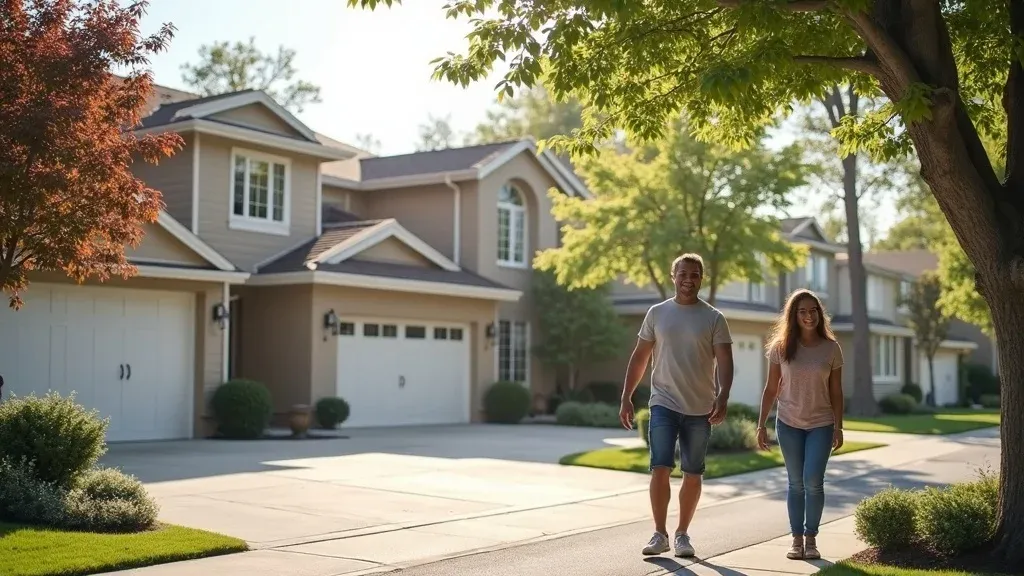
The right garage door style doesn’t just change the look of your home – it transforms it. Your garage can comprise up to 30% of your home’s facade, making it central to curb appeal.
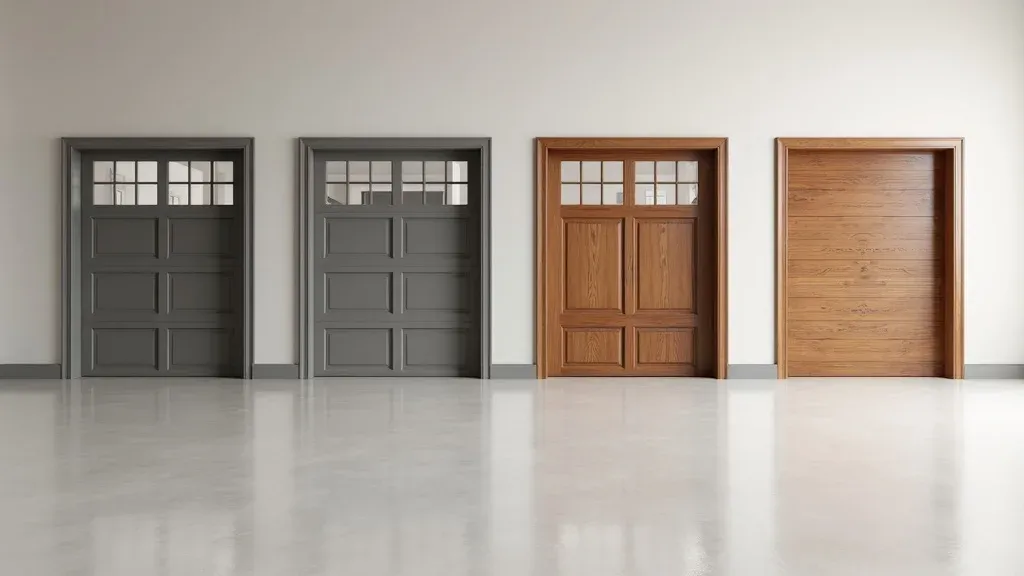
Trending garage door styles such as classic carriage house, contemporary glass panels, or traditional raised panels can each evoke a distinct atmosphere.
Selecting a color and finish that harmonizes with your exterior – whether it’s a modern, colonial, or craftsman home style – ensures your garage door makes the right impression and potentially increases the resale value for future buyers.
Beyond style, today’s garage doors offer options like windows for natural light, premium wood fibers for authenticity, or steel panels for crisp lines and security. When choosing a garage door style, balance function with design – many homeowners discover a dramatic boost in property value and neighborhood admiration after a quality garage door upgrade.
Garage Door Style Choices: Carriage House, Contemporary, and Traditional
Carriage house garage doors add timeless charm with rustic handles and decorative hinges, while contemporary doors feature clean lines and bold materials like glass or aluminum for a modern, minimalist look.
Traditional raised panel doors offer classic symmetry and broad appeal, making them suitable for many suburban homes. Whether your taste leans historic or modern, matching your door to your home’s style is crucial for creating a cohesive appearance.
For every door style, there’s a material and finish that makes your garage stand out. Carriage house doors can be crafted in natural wood fibers or maintenance-free steel. Modern and contemporary designs often use composite or aluminum for sleeker profiles and energy efficiency.
Your door dealer or garage door manufacturer can provide samples so you can visualize finishes and textures in place.
Matching Garage Doors with Your Home’s Architecture
A perfect garage door enhances the personality of your home. For modern homes, look for bold lines and minimalist colors – think flush panels or glass inserts that emphasize clean architecture.
Colonial homes benefit from paneled doors with subtle windows and hardware that match historic accents. For Craftsman homes, choose styles with defined overlays, warm wood tones, and hardware inspired by handcrafted design.
- Door Styles for Different Home Types:
- Modern homes
- Colonial homes
- Craftsman homes
No matter the architectural style, the main goal is to choose a door that offers both a functional upgrade and an aesthetic boost. Consult with us here at Access Garage Doors of Salt Lake City for recommendations specific to your home and neighborhood trends.
Energy Efficiency: The Role of Insulated Garage Doors
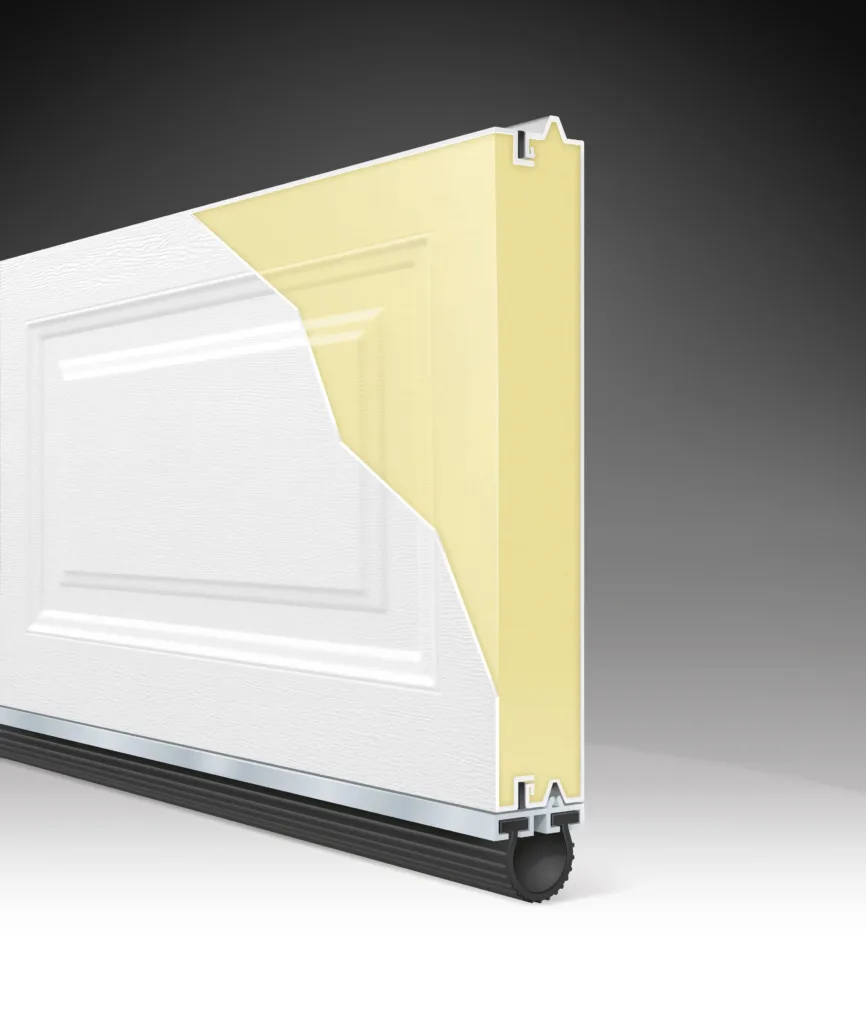
Choosing an insulated garage door can make a sizeable difference in household comfort and savings – especially if your garage connects to living spaces. Insulated doors are engineered to limit heat loss, buffer against temperature swings, and reduce noise.
They can help keep your car warmer in winter and prevent your workspace or laundry area from becoming a heat trap in summer.
Garage door insulation is measured by R-value, and the material choice plays a big role in thermal performance. Many homeowners report noticeably lower utility bills and increased comfort after making the switch. If energy efficiency is a priority, an insulated garage becomes a critical upgrade.
How Insulated Garage Doors Improve Energy Efficiency
Insulated garage doors combat heat loss in winter and stop excess heat from invading during summer, acting as a barrier between your climate-controlled home and outdoor fluctuations.
A high-quality insulated door helps stabilize garage and adjacent room temperatures, relieves the load on your home’s HVAC system, and enhances overall energy efficiency. This means fewer drafts, improved comfort, minimized moisture issues, and lower utility costs throughout the year.
Better yet, insulated doors also dampen outdoor noise, making them ideal for garages used as hobby areas or workshops. Paired with proper sealing and quality construction, your choice can yield lasting savings and livability improvements in your home.
Insulation Materials: Polyurethane vs. Polystyrene in Garage Doors
There are two primary insulation materials used in garage doors: polyurethane and polystyrene. Polyurethane boasts a higher R-value per inch, foams directly into door sections for better rigidity and air-sealing, and often provides superior impact resistance. Polystyrene, on the other hand, tends to be less costly and still improves door performance, though not to the same degree as polyurethane.
When we talk, ask about the R-value of each option and which will work best in your region’s climate. Upgrading to polyurethane insulation is generally recommended for maximum energy efficiency in extreme weather areas, while polystyrene is often fitting for milder climates or detached garages.
- Energy Efficiency Tips for Choosing a New Garage Door:
- Choosing the right R-value for your home’s needs
- Ask about professional sealing and weatherstripping options
Video Overview:
Safety and Security Features When Choosing a New Garage Door
The latest generation of garage doors incorporates advanced safety and security technologies so you can feel confident about protecting your home and loved ones.
When choosing a new garage door, prioritize smart systems: look for features such as rolling code technology (which generates a new code every time the door’s operated), automatic reversal sensors, and robust lock mechanisms. Keyless entry pads and WiFi-enabled control panels add convenience while enhancing security.
Don’t overlook modern garage door opener technology, which not only improves safety through obstacle-detection sensors but offers the ability to control, monitor, and receive alerts about your garage from your smartphone.
The right system makes everyday access safer, more reliable, and surprisingly easy to manage.

Latest Garage Door Opener Technology: Smart Features and Security
Today’s garage door opener solutions are smarter than ever. Many new models come equipped with Wi-Fi connectivity, allowing you to open or close your garage with a simple app, receive alerts if you leave the door open, or even integrate the opener with your smart home security system. Technology like rolling code systems ensures that every signal sent to your opener generates a fresh code, thwarting would-be hackers and enhancing peace of mind.
Look for additional safety features such as automatic obstacle detection (which stops and reverses the door if anything blocks the sensor beam) and keyless entry options for family members. These features, combined with sturdy hardware, make choosing a new garage door and opener a strong investment in your home’s security.
- Security Features to Look For:
- Rolling code technology
- Keyless entry pads
- Automatic reverse mechanisms
Garage Door Openers: Power, Features, and Choosing the Right One
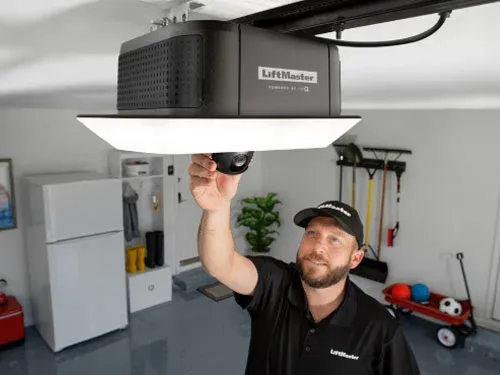
The right garage door opener keeps your new investment operating smoothly and safely. The most common power ratings, 1/2 HP and 3/4 HP, are chosen based on the weight and material of your garage door.
For most single, lightweight or steel doors, a 1/2 HP unit is sufficient. If you’re opting for a heavier, insulated, or extra-wide door—especially those made from wood fibers or double doors—go with 3/4 HP for added strength and durability.
Beyond power, consider features like soft start/stop for quieter operation, battery backup, built-in WiFi, and advanced security functions. Your door dealer or installer can provide insight into which opener best matches your door and usage needs, ensuring reliable performance for years ahead.
1/2 HP vs. 3/4 HP Garage Door Opener: Which Should You Choose?
The debate between 1/2 HP and 3/4 HP garage door opener options boils down to weight and frequency of use. For standard-sized, steel garage doors or lightweight aluminum models, 1/2 HP offers reliable operation and efficiency.
If your new door is oversized, double-wide, or heavily insulated, the 3/4 HP unit will provide the extra muscle needed for smooth operation and longevity. Always review opener compatibility when selecting a new door—some advanced openers include smart features, stronger rails, and extra quiet function for attached garages.
Ask your garage door dealer about current models, power ratings, and which features will benefit your home the most. A high-quality opener with the right power and advanced technology yields better durability, safety, and daily convenience.
What Makes a Good Garage Door Opener?
A good garage door opener balances quiet operation, reliable power, safety features, and user-friendly technology.
Seek models with soft start/stop motors to reduce vibration and noise, especially vital in homes with bedrooms above or adjacent to the garage. Battery backup keeps you protected during power outages, and enhanced smart features let you monitor and operate your door remotely for peace of mind. Longevity, robust warranties, and highly rated manufacturer support should also figure heavily into your selection criteria.
Opener installation by a professional is strongly recommended for optimal calibration and safety.
| Opener Power | Best For | Typical Door Types |
|---|---|---|
| 1/2 HP | Standard/single doors, lighter materials | Steel, aluminum, basic insulated sectional |
| 3/4 HP | Heavier, oversized, or double doors | Wood, thick insulated steel doors, carriage house designs |
Budgeting for Your New Garage Door: Costs, Savings, and Long-Term Value
Pricing for new garage doors varies widely, reflecting choices in size, insulation, material, decorative options, and technology.
A basic steel garage door might start around $700, but premium insulated models with smart openers and custom finishes can run upwards of $3,000 after installation and accessories. The investment pays dividends through improved aesthetics, lower heat loss, quieter operation, and increased curb appeal.
When budgeting, don’t forget hidden costs: installation fees, upgraded hardware, or ongoing maintenance. Discuss warranty terms and service options when we talk, to ensure support and peace of mind, particularly if investing in a high-end system.
And remember, sometimes choosing a garage door with higher up-front costs results in lower upkeep and higher property value in the end.
Understanding Garage Door Pricing Factors
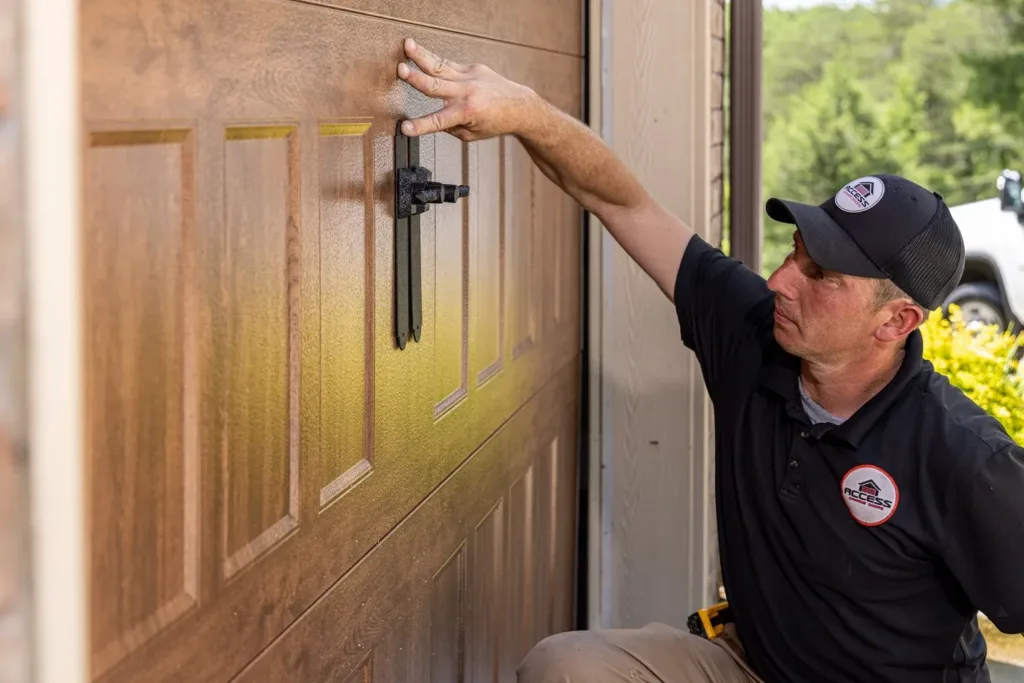
Major factors influencing the final price include door material (steel doors are generally more affordable than wood or custom composites), insulation and R-value, the inclusion of windows or custom hardware, and the type/power of door opener chosen. Professional installation typically adds cost, but protects your investment by ensuring safety and longevity.
It’s wise to request quotes from multiple garage door dealers, compare warranty terms, and factor in your home’s long-term needs. Investing up front in the right garage door can deliver energy savings and reduce the need for future repairs.
Is It Worth Repairing a 20-Year-Old Garage Door Opener?
While repairing an older opener may seem cost-effective, garage door openers are only designed to last about 10-15 years. If yours is 20 years old, it’s better to put money toward a replacement—new openers offer improved safety standards, quieter operation, and smart features not available in older models.
- Hidden Costs to Consider:
- Installation fees
- Optional accessories
- Maintenance over time
“Investing in the right garage door today can increase your home’s value and lower your energy bills tomorrow.” – Access Garage Doors of Salt Lake City
Video Guide:
People Also Ask: Choosing a New Garage Door FAQs
What to look for when buying a new garage door?
When choosing a new garage door, prioritize durability, insulation, safety features, curb appeal, and compatibility with your opener. Also consider your budget, warranty options, and the reputation of the manufacturer or installer.
Should I get a 1/2 or 3/4 hp garage door opener?
A 1/2 hp opener is typically sufficient for lightweight, single garage doors, while 3/4 hp openers are better for heavier, two-car, or insulated garage doors. Consider the weight and material of your chosen door.
How much should I budget for a new garage door?
The cost of choosing a new garage door can range from $700 to $3,000 or more depending on size, insulation, materials, style, and installation.
Is it worth repairing a 20 year old garage door opener?
Garage door openers typically last 10-15 years. After 20 years, replacing the opener is likely more cost-effective, providing improved safety and new smart features.
Key Takeaways on Choosing a New Garage Door
- Prioritize energy efficiency and insulation when choosing a new garage door
- Match door style with home architecture to maximize curb appeal
- Consider security features and opener technology for safety
- Budget for both installation and long-term maintenance
Frequently Asked Questions About Choosing a New Garage Door
- How long will an insulated garage door last?
- Can I install a new garage door myself?
- What garage door design trends are popular in 2024?
Need Expert Help Choosing a New Garage Door? Call Us Today at Access Garage Doors of Salt Lake City 801-210-1883
Ready to move forward? A new garage door will boost curb appeal, security, and savings—reach out for expert help today!