Avoid Costly Repairs with Garage Door Maintenance for Winter
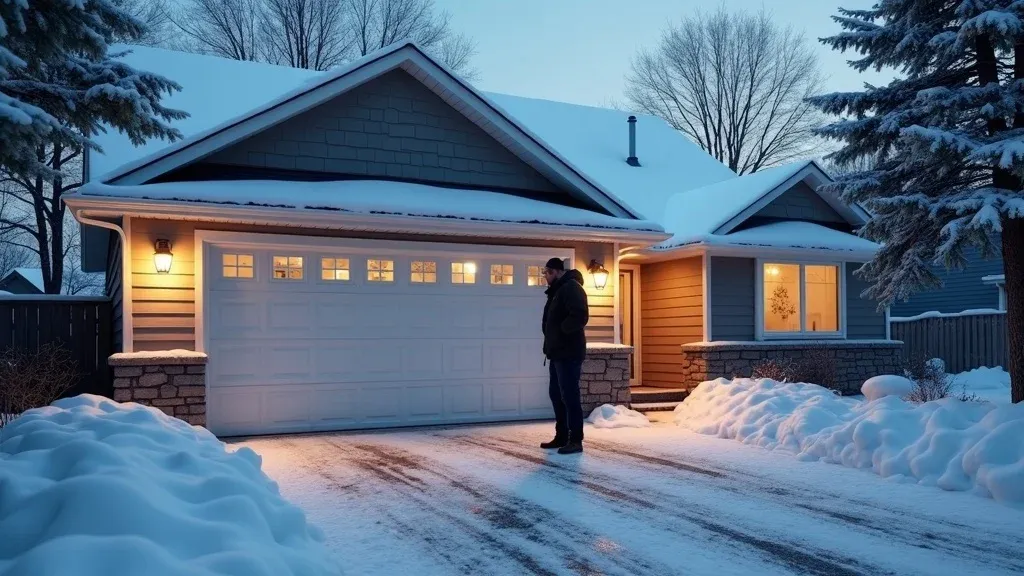
Did you know that neglecting your garage door maintenance for winter could cost you hundreds in emergency repairs? As temperatures drop and snow and ice become everyday hurdles, your garage door system faces unique and often overlooked challenges. A simple tune-up now can spare you the frustration (and surprise bills) of being stranded by a faulty door in the middle of a cold snap. Garage door maintenance for winter isn’t just about comfort—it’s a smart way to protect your home, belongings, and peace of mind as winter months set in.
Startling Facts: The Real Cost of Ignoring Garage Door Maintenance for Winter
Ignoring garage door maintenance for winter can lead to significant expenses, particularly when freezing temperatures amplify the strain on your door system’s moving parts. Emergency repairs in the dead of winter are not only more expensive but also less convenient. Most homeowners only realize the importance of regular door maintenance after a costly breakdown—when the door refuses to open and close or becomes stuck, sometimes even trapping vehicles inside. The bitter reality is, as cold air and moisture invade, metal components may contract, lubricants thicken or freeze, and weather stripping hardens or cracks—leading to operational issues and vulnerability to the elements.
“According to industry data, homeowners spend an average of $350 to $600 on emergency garage door repairs during winter months—most of which could be prevented with proper garage door maintenance for winter.”

What You’ll Learn About Garage Door Maintenance for Winter
- How to assess your garage door before winter hits
- The impact of cold weather on garage door function and moving parts
- Expert garage door maintenance techniques
- Ways to address common winter problems with garage doors and openers
- Key benefits of insulated garage doors and weather stripping
Understanding Garage Door Maintenance for Winter: Why It Matters
Garage door maintenance for winter should be an annual item on every homeowner’s checklist. Routine door maintenance can avert hazards such as being locked out, slow or noisy operation, or more severe malfunctions. Not only does it protect the mechanical integrity of your garage door system but it also helps maintain energy efficiency in your home by keeping out cold air and sealing in warmth. When temperatures drop, unexpected breakdowns can threaten the safety of your vehicles and stored belongings and allow warm air to escape, resulting in higher energy bills. With the garage often serving as secondary storage or even a workspace, ensuring your garage door operates well during the harshest months safeguards the things that matter most.
The Effects of Cold Weather on Garage Doors
Cold weather impacts garage doors in several critical ways. First, freezing temperatures can cause the lubricants on your door’s moving parts to thicken, leading to friction, squeaks, and even jams. Second, metal components such as springs and tracks may contract, straining the door opener’s performance and making it harder for your door to open and close smoothly. Daily fluctuations from freezing nights to warmer afternoons can form condensation, resulting in ice, rust, or even weakened garage door system parts. If your door is exposed to heavy snow and ice, moisture can seep into the moving components, making door functioning even more problematic just when you need reliable operation the most.

Common Garage Door Opener Issues During the Winter
Winter brings with it a set of challenges for garage door openers. Cold can drain the batteries faster, reduce motor efficiency, and even freeze sensors. Many homeowners notice that their garage door opener struggles or fails entirely during the winter, often due to hardened lubricants or expansion and contraction in door system sensors, causing misalignment or malfunctions. Poorly maintained openers may lose sensitivity, leading to slow response, half-open doors, or jerky operation. Regular door maintenance is essential to prevent these issues, ensuring that your opener stays in top shape to handle whatever winter throws your way.
The Importance of Regular Door Maintenance for Safe Operation
Performing regular garage door maintenance for winter isn’t just about convenience—it is a matter of safety. Malfunctioning doors and failing openers can pose a real risk, especially when heavy doors refuse to open, close suddenly, or reverse unexpectedly due to faulty sensors. Regular checks, at least once a season, can help identify weak points before they escalate into major repairs. By maintaining everything from the insulated garage door panels to the tiniest screw, you can ensure your garage door operates smoothly, securely, and efficiently even as the weather gets colder.
Assessing Your Garage Door Before Winter Sets In
Before the season’s first freeze, a thorough inspection is your best defense against winter malfunctions. Begin by examining the garage door for signs of damage, paying special attention to the weather stripping, metal components, and hardware. Don’t forget to observe how the door functions—does it open and close quietly, without sticking or excessive noise? Check the performance of your garage door opener, including battery power, sensor alignment, and safety features like auto-reverse. By catching tiny problems early, such as brittle weather stripping or misaligned tracks, you can avoid being forced into emergency garage door repair during a freezing blizzard.
- Visual inspection of garage door and moving parts
- Checking door opener and garage door openers performance
- Testing door function and auto-reverse features
“Proactive garage door maintenance for winter can prevent 70% of malfunctions caused by weather changes.”
Step-by-Step Guide: Essential Garage Door Maintenance for Winter
Lubricating Moving Parts for Smooth Garage Door Function
Regularly lubricating all moving parts of your garage door ensures smooth operation, especially when cold weather sets in. Focus on critical components such as hinges, rollers, springs, and tracks, as these spots are prone to stiffness from thickened grease or exposure to cold air. Use a high-quality silicone-based lubricant—avoid heavy oils that can collect dust and debris. Make sure to apply a thin, even layer and wipe away any excess to keep metal parts running smoothly. Regular lubrication prevents both excessive noise and unnecessary strain on the door opener, extending the life of your entire garage door system.
Inspecting and Replacing Weather Stripping
Weather stripping is your first line of defense against cold air, snow and ice, and moisture seeping into the garage. Examine the weather stripping along the bottom and sides of your garage door for cracks, gaps, or signs of brittle material. If the strip is compressed, torn, or no longer springs back into shape, replace it with a new, weather-resistant version. Fresh weather stripping keeps warm air inside and prevents cold drafts, helping maintain energy efficiency and comfort throughout winter. Neglecting this simple step can lead to higher heating bills and potential water damage.

Checking and Sealing Garage Door Panels
Over time, garage doors can develop gaps between panels or small cracks that allow chilly air in. Inspect your door’s panels for visible openings or warped areas—especially near the bottom of your garage or where the door meets the ground. If you spot light peeking through, it’s time to seal those gaps with weather-resistant caulk or foam insulation. Properly sealed panels not only improve door function but also enhance your home’s overall insulation and protect your belongings from extreme cold air and moisture during the winter months.
Tuning the Garage Door Opener
Keep your garage door opener winter-ready by replacing batteries, checking the motor, and recalibrating force and travel limits as recommended by the manufacturer. Check photo-eye sensors for alignment issues and clear any obstructions or residue. If your opener is more than a few years old, consider an upgrade for improved efficiency and reliability. Tuning and maintaining this crucial device ensures your garage door continues to open and close reliably—no matter how low temperatures drop.
Examining and Tightening Hardware
Temperature fluctuations can cause fasteners to loosen and parts to rattle, particularly with older doors or those frequently used during winter months. Inspect all visible hardware—including brackets, rollers, and hinges—and tighten any bolts or screws showing signs of wear. Addressing these small issues during your regular garage door maintenance for winter reduces the risk of mid-season breakdowns and keeps your door safe for everyday use.
Insulated Garage Doors: Key to Winter-Ready Garage
An insulated garage door is one of the best investments you can make before winter strikes. Insulated doors not only maintain a more consistent temperature inside the garage but also help protect vehicles, tools, and stored valuables from extreme fluctuations. This often translates to greater energy efficiency, especially when the garage is attached to the house or used as a hobby space. While some older doors can be retrofitted with insulation panels, modern garage doors are available in a range of thicknesses and styles to match any home’s needs.
Benefits of an Insulated Garage Door in Cold Weather
Insulated garage doors provide several key advantages during winter. First, they significantly reduce energy loss by acting as a barrier to cold air and locking in warm air. This means your home’s heating system works less, saving money on utility bills. Insulated doors also reduce noise and lessen the strain on your door opener, since the added rigidity helps maintain consistent door function. Over the long term, this can extend the lifespan of your entire garage door system, especially if severe cold weather is the norm where you live.

How to Upgrade Your Garage with Insulated Panels
Upgrading your current garage door with insulation panels is a straightforward process. First, measure each panel and purchase rigid foam board, reflective insulation, or fiberglass batts specifically designed for garage doors. Cut insulation to size and install inside the panels, securing with weather-resistant adhesive or clips. Pay attention to the bottom of your garage and perimeter seals—this is where most heat loss occurs. By adding insulation, you can quickly transform your garage into a more usable year-round space and further weatherize your home before temperatures drop.
Weather Stripping and Garage Door Maintenance for Winter Efficiency
Weather stripping is crucial for winterizing your garage and maximizing the efficiency of your heating system. Worn or missing strips allow drafts, cold air, and even rodents to enter, making your garage less comfortable and your garage door work harder. Replace or upgrade weather stripping with high-quality materials that maintain flexibility even in the coldest conditions. This small investment improves the feel of the space and can reduce your energy bills, keeping everything from the door rails to garage door openers functioning better all season.
Choosing the Right Weather Stripping for Garage Doors
Selecting the best weather stripping depends on your door type and local climate. Vinyl or rubber stripping is generally preferred for its durability, flexibility, and strong resistance to cold. Look for strips designed to fit snugly along both the bottom and sides of your garage door, forming a tight seal that blocks out moisture and debris. If your area faces frequent snow and ice, pick a heavy-duty, all-weather product. Properly installed weather stripping means your garage is not only warmer but also better protected from leaks, rust, and pest intrusions.

DIY Weather Stripping Installation Tips
Installing new weather stripping is a home improvement project most DIYers can handle. First, remove old strips and scrub the mounting surfaces clean. Measure and cut your new material to length, ensuring corners are tightly sealed and overlaps are minimal. Press the weather stripping firmly in place and use galvanized nails or heavy-duty adhesive to keep it secure. Don’t forget to test door function after installation—your garage door should open and close easily, compressing the weather stripping without undue resistance. Freshly installed strips can last for several winters and are a simple way to cut down energy loss.
“Well-installed weather stripping can reduce energy loss by up to 15% during winter.”
Garage Door Openers: Ensuring Reliability Through Winter
A reliable garage door opener is essential for easy, secure access to your garage during cold months. However, garage door openers are just as susceptible to cold weather issues as the doors themselves. Lubrication, battery checks, and system calibration become even more critical when winterizing your garage door. With a little extra care before and during the winter months, you can keep your garage door operating smoothly and avoid inconvenient outages.
Common Winter Problems with Garage Door Opener Systems
The most frequent winter complaints with garage door opener systems involve slow operation, reduced remote range, and intermittent power. Cold weather can sap power from opener batteries and cause older electrical components to fail under strain. Sensors, critical for the safe automatic operation of your garage door, may become blocked by frost or lose alignment due to shifting door hardware. Lubrication on moving parts and internal gears may thicken, causing sluggish or jerky movements. These common issues can be prevented with proactive garage door maintenance for winter.
Maintenance Tips for Garage Door Opener Longevity
To maximize the lifespan of your garage door opener through challenging winters, perform regular checks of remotes, wall consoles, and any smart home integrations. Replace remote and backup batteries before the season starts, inspect for signs of moisture, and keep the opener’s main unit clean and dust-free. Keep sensors clear and correctly aligned, re-lubricate chains and tracks as needed, and refer to your manufacturer’s instructions for seasonal calibration. Attending to these tasks as part of your garage door maintenance for winter minimizes disruptions and ensures your door operates reliably on even the coldest days.
Video Tutorial:
Garage Door Maintenance for Winter: Troubleshooting Common Issues
Even the best-maintained garage doors can develop issues in cold weather. Quick troubleshooting can help you decide when a DIY fix will work or when to call in the pros. For stuck doors—often caused by ice at the bottom or gummed-up moving parts—apply a silicone lubricant and melt away any built-up ice with a hairdryer. If your garage door opener won’t respond, check for battery strength and clear sensors of frost. For noisy or jerky operation, inspect rollers, tracks, and hardware for broken or loose parts. Never force a stuck door, as this could lead to costlier door repair and safety risks.
- Stuck garage doors in cold weather
- Garage door opener malfunctions
- Noisy door operation and worn moving parts
Protecting Your Garage and Belongings in Healthy Winter Conditions
A well-maintained, insulated garage isn’t just a convenience—it’s a vital part of your home’s winter readiness plan. Good insulation and weather stripping not only preserve warm air inside the garage but also protect stored belongings, keep door hardware from freezing, and prevent cold temperatures from impacting your cars or home’s interior. Take the time to declutter, keep items off the floor on shelves, and store sensitive items in bins. When your garage door operates flawlessly and your space stays dry and organized, winter loses its bite.
Tips for Organizing and Safeguarding Items in Insulated Garages
Start by grouping similar items—tools, sporting goods, winter supplies—and keeping them in labeled, stackable bins. Invest in sturdy shelving and install hooks or wall-mounted racks for outdoor gear, keeping pathways clear and allowing warm air to circulate. Avoid storing perishable or temperature-sensitive items near uninsulated walls or the bottom of your garage. With a clear, dry, and insulated space, not only will your belongings last longer, your garage doors will face less stress from excess clutter and easier operation.

| Aspect | DIY Garage Door Maintenance | Professional Garage Door Maintenance |
|---|---|---|
| Cost | Low – Cost of lubricants, weather stripping, basic tools ($30–$100) | Moderate to High – Service fees, advanced repairs ($100–$300+) |
| Benefits | Immediate attention, flexibility, learning experience | Expert evaluation, warranty on repairs, thorough inspection |
| Risks | Missed problems, improper installation, potential injuries | Higher cost, scheduling needs, reliance on service availability |
People Also Ask: Garage Door Maintenance for Winter
Can I lubricate my garage door in the winter?
Answer: Yes, lubricating your garage door in winter prevents stiffness and wear. Use a silicone-based lubricant for all moving parts to maintain smooth garage door function despite cold weather.
Why do people leave their garages partially open?
Answer: Partially open garage doors can help with ventilation or prevent freezing, but it exposes your home to security risks and reduces garage door insulation efficiency.
How to prepare a garage door for winter?
Answer: Prepare your garage door for winter by lubricating moving parts, installing weather stripping, inspecting the opener, and ensuring the insulated garage door is functioning properly.
Should you spray WD-40 on garage door springs?
Answer: It is not recommended to use WD-40 for garage door maintenance for winter. Instead, use a specific garage door lubricant to keep springs and parts working smoothly without attracting debris.
FAQs on Garage Door Maintenance for Winter
- How often should garage door maintenance be performed in winter?
Ideally, you should inspect and maintain your garage door at the start of winter and perform quick checks monthly to ensure optimal performance and catch small issues early. - What are signs my garage door needs urgent maintenance?
Watch for loud noises, slow or jerky movement, visible gaps or light, and sudden changes in how your door opens and closes. These warning signs indicate it’s time for immediate garage door maintenance or repair. - How does cold weather affect garage door balance?
Cold weather can cause metal and lubrication changes, leading to imbalances where one side of the door is heavier or rises unevenly. Regular balancing ensures safe operation throughout winter months. - Is a professional inspection necessary for garage doors before winter?
Although many tasks can be DIY, a pre-winter inspection by a professional technician ensures your garage door is thoroughly checked and dramatically reduces the risk of mid-season emergencies.
Key Takeaways: Garage Door Maintenance for Winter
- Timely garage door maintenance for winter averts expensive repairs
- Lubrication, weather stripping, and opener checks are essential
- Insulated garage doors improve performance and efficiency in cold weather
Conclusion: Prioritize Garage Door Maintenance for Winter to Prevent Costly Repairs
“A little winter preparation for your garage door saves hundreds in emergency repairs.”
Don’t leave your garage door—and your comfort—vulnerable to winter’s worst. Prevent costly repairs and keep everything operating smoothly by planning your garage door maintenance for winter today.
Take Action Now: Call us today at (801) 948-2747 for prompt, professional garage door maintenance for winter
Don’t wait for an emergency—contact us today at (801) 948-2747 for expert garage door maintenance and ensure your garage is winter-ready!