The Impact of Tennessee’s Climate on Garage Doors
If you live or operate a business in Tennessee, you already know that the weather can change its mind fast. One week might feel like summer, the next brings heavy rain, and before you know it, a sudden cold snap rolls through. While that variety keeps things interesting, it can be tough on one part of your property that you rely on every day: your garage door.
Tennessee’s climate includes hot, humid summers, frequent rainfall, fluctuating temperatures, and occasional winter freezes. Over time, these conditions can take a serious toll on both residential and commercial garage doors. Without regular maintenance and timely garage door repairs, weather-related wear can lead to costly breakdowns, safety concerns, and reduced energy efficiency.
Luckily, you don’t have to wait for your garage door to fail before you take action. Understanding how Chattanooga’s climate affects garage door materials and moving components is the first step toward protecting your investment and avoiding inconvenient (and expensive) surprises.
Heat and Humidity Can Cause Warping, Expansion, and Performance Issues
Chattanooga summers are no joke. High temperatures combined with heavy humidity create a harsh environment for many garage door materials. Even if your door looks fine on the surface, the heat can slowly affect its structure.
How Heat Impacts Garage Doors
During prolonged heat waves, garage door panels may expand. This is especially common with wooden doors, but steel doors can also experience expansion in certain areas, especially if they are exposed to direct sunlight for long stretches of time. When expansion happens, your door may:
- Stick while opening or closing
- Make loud popping noises
- Move unevenly along the tracks
- Put strain on the opener system
Humidity also adds another layer of trouble. Moisture in the air can seep into porous materials and cause swelling, especially in older wooden garage doors. Over time, swelling and warping can throw off the alignment of the entire door.
Why This Matters for Safety and Durability
A warped or swollen garage door may not seal properly, leaving gaps that let in hot air, pests, and moisture. It can also increase wear on rollers, hinges, and tracks. When the opener is forced to work harder than normal, it can shorten the life of the motor and increase the likelihood of breakdowns.
Heavy Rainfall and Moisture Can Lead to Rust and Corrosion
Tennessee gets plenty of rain throughout the year, and Chattanooga often sees heavy downpours and long periods of wet weather. While rain is great for the scenery, it is not so great for metal components.
Common Moisture-Related Garage Door Problems
Garage doors contain multiple metal parts that are vulnerable to rust, including:
- Springs
- Cables
- Hinges
- Rollers
- Track systems
- Fasteners and brackets
Even if your garage door is made of steel and has a protective finish, the hardware and moving components can still corrode if moisture regularly builds up. This is especially true if your garage does not have proper ventilation or if water pools near the base of the door.
How Corrosion Affects Performance
Rust does more than make your garage door look worn out. It can weaken critical components, leading to serious safety risks. For example, rusted springs and cables are more likely to snap, and damaged rollers may cause the door to jump off track.
Moisture-related corrosion can also lead to:
- Noisy operation
- Jerky movement
- Slow opening and closing
- Door imbalance
When these issues are ignored, they often turn into major repairs that could have been prevented with basic upkeep.
Temperature Fluctuations Can Stress Springs and Hardware
Tennessee is known for unpredictable temperature swings, especially in spring and fall. One day may be warm and sunny, and the next might bring cold winds and a sharp drop in temperature. Those changes can put stress on garage door systems, particularly the components under tension.
Why Springs Are Vulnerable
Garage door springs are responsible for counterbalancing the door’s weight. They are under constant tension, and temperature shifts can impact the metal’s flexibility and strength.
In colder weather, springs may become more brittle. In warmer weather, they may expand slightly. Over time, this constant contraction and expansion weakens the spring material.
Signs Temperature Stress May Be Affecting Your Door
If temperature changes are impacting your garage door system, you may notice:
- A door that feels heavier than usual
- A door that opens unevenly
- A door that slams shut unexpectedly
- Sudden spring failure
This is especially important for commercial garage doors, which tend to be larger, heavier, and used more frequently. When spring tension is off, the entire system can become unsafe.
Storms and High Winds Can Cause Structural Damage
Tennessee’s storm season can bring strong winds, lightning, hail, and even tornado warnings. Chattanooga residents are no strangers to sudden storms that roll in quickly and leave behind serious property damage.
Garage doors are often one of the largest moving parts of a home or commercial building, which means they can be vulnerable to wind pressure and impact.
How Storms Can Damage Garage Doors
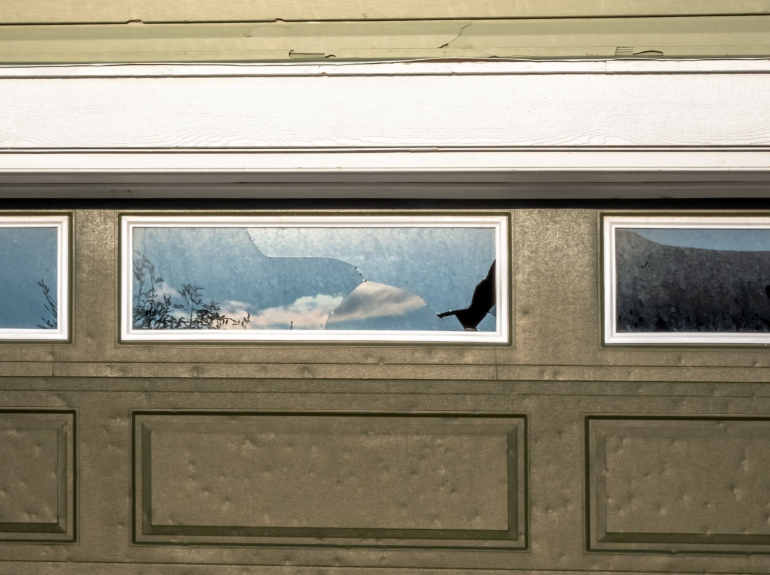
High winds can cause garage doors to flex or buckle, particularly if the door is older or not reinforced. In extreme cases, wind can push a garage door off its tracks, leaving your property exposed. Storm-related damage may include:
- Dented or cracked panels
- Broken glass in garage door windows
- Misaligned tracks
- Loose brackets and hardware
- Damaged weather seals
- Opener malfunction due to power surges
Why Storm Damage Is a Serious Concern
A damaged garage door is more than a cosmetic issue. It can compromise the security of your building, allowing easier access for intruders. It can also affect structural integrity, especially if the garage door opening is a key support area in your building’s design.
After a major storm, it is smart to have your garage door inspected even if the damage looks minor. Small dents or track shifts can lead to long-term operational problems.
Seasonal Debris Can Interfere With Tracks, Sensors, and Door Movement
Chattanooga’s changing seasons are beautiful, but they bring plenty of debris. Leaves, twigs, pine needles, dirt, and even small rocks can build up around your garage door system. If your property has nearby trees or sits near wooded areas, this becomes even more common.
How Debris Affects Garage Doors
Garage door tracks and rollers need to stay clean and clear. When debris builds up, it can interfere with smooth movement and cause the door to drag, stick, or become misaligned.
Sensors can also be impacted. Modern garage doors use photo-eye sensors near the bottom of the door opening to detect obstacles. If leaves, mud, or dust cover those sensors, the door may refuse to close or reverse unexpectedly.
Signs Debris May Be Causing Issues
If debris is interfering with your garage door, you may notice:
- The door stops midway
- The door reverses before closing
- The opener struggles or makes loud noises
- Uneven movement along the tracks
These issues may seem small at first, but they can quickly lead to worn-out rollers, damaged tracks, or opener strain.
How Tennessee Weather Impacts Energy Efficiency
Many homeowners and business owners overlook how much their garage door affects energy efficiency. But when a garage door is exposed to heat, moisture, and shifting temperatures, its ability to seal properly can weaken.
A garage door with gaps or worn weather stripping allows outdoor air to flow into the building. In summer, that means heat and humidity. In winter, it means cold drafts and moisture. Over time, poor sealing can lead to:
- Higher heating and cooling costs
- More strain on HVAC systems
- Increased humidity inside garages
- Temperature instability in attached living spaces
For commercial buildings, energy loss through large garage doors can become especially expensive, particularly in warehouses and facilities that rely on temperature control.
Why Professional Garage Door Service Matters in Chattanooga
When your garage door is exposed to Tennessee weather year-round, professional service is essential to protecting your investment. Regular inspections can catch small issues before they turn into costly breakdowns, while preventative maintenance helps your door operate smoothly and safely through every season.
At Access Garage Doors of Chattanooga, we understand the unique challenges local homeowners and business owners face. Our team provides dependable workmanship, strong warranties, and friendly local service that customers can count on. Whether you need a quick repair, routine maintenance, or a full garage door replacement, we deliver solutions designed for long-term performance in Chattanooga’s changing climate.
Schedule Garage Door Service With Access Garage Doors of Chattanooga
Tennessee’s climate can be tough on garage doors, but with the right care, your system can stay strong and dependable for years. Heat, humidity, rain, storms, and debris all create wear that can affect performance, safety, and efficiency. The key is catching problems early and keeping your door maintained by professionals who know what to look for.
If your garage door is showing signs of weather-related wear or you want to stay ahead of future issues, Access Garage Doors of Chattanooga is here to help. Contact our team today to schedule a professional inspection, repair service, or replacement. We are proud to serve homeowners and business owners throughout the Chattanooga region, and we are ready to keep your garage door operating safely and reliably in every season.